
Dr. Anjali Jain is a distinguished Gynaecologic Oncologist in Gurugram. With over 14 years of clinical experience, she specializes in the precise diagnosis, surgical management, and holistic care of uterine (endometrial) cancer and other complex gynecological malignancies at Medanta – The Medicity. Partnering with an experienced specialist ensures you receive the most advanced and effective treatment protocols available.
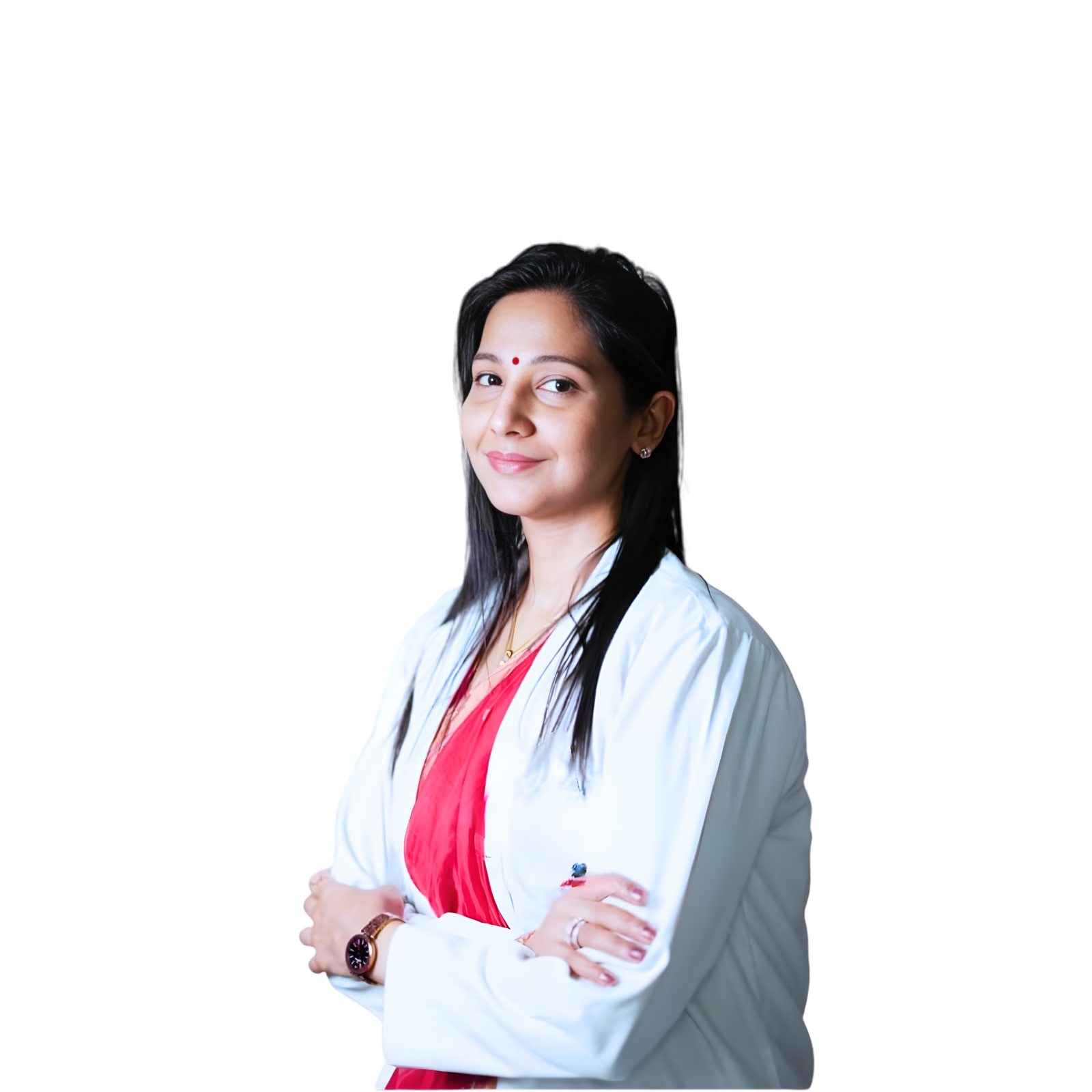
Dr. Anjali Jain is a renowned, board-certified Gynaecologic Oncologist currently serving patients as a Consultant at Medanta – The Medicity in Gurugram. Her extensive academic background includes a Fellowship in Minimal Access Surgery (FMAS), a Fellowship in Advanced Robotic and Innovative Surgery (FARIS), and a Fellowship in Gynae Oncology.
She is a leading expert in laparoscopic and robotic surgeries for women's cancers. Dr. Jain believes in empowering her patients through transparent education, ensuring every woman fully understands her diagnosis and treatment options. By utilizing state-of-the-art minimally invasive robotic and laparoscopic techniques, she drastically reduces recovery times and post-operative pain while prioritizing oncological safety.
Her expertise extends to complex procedures such as Radical Hysterectomies and pelvic surgeries. Dr. Jain works closely with a multidisciplinary tumor board at Medanta, integrating surgery, radiation, and medical oncology to tailor a comprehensive treatment plan for every single patient.
Consult Dr. Jain TodayUterine cancer, most commonly presenting as endometrial cancer, is the most frequently diagnosed cancer of the female reproductive organs. It originates in the lining of the uterus (endometrium). Because it often produces early symptoms, it is highly treatable when caught promptly.
The type of uterine cancer significantly influences the treatment approach:
Certain factors can increase the likelihood of developing uterine cancer:
If you experience any of these symptoms, especially if you are post-menopausal, consult a Gynae Oncologist immediately:
Early and accurate diagnosis is critical. Dr. Anjali Jain utilizes advanced diagnostic tools including Transvaginal Ultrasounds (TVUS) to check the thickness of the endometrium, followed by an endometrial biopsy or Hysteroscopy to obtain tissue samples. A definitive diagnosis is made by an expert pathologist analyzing the biopsied tissue.
Surgery is almost always the primary treatment for uterine cancer. As an expert in surgical oncology, Dr. Jain specializes in:
Whenever possible, Dr. Jain performs minimally invasive (laparoscopic or robotic) hysterectomies to remove the uterus, cervix, ovaries, and fallopian tubes. This approach results in smaller incisions, significantly less pain, and a much faster return to normal activities compared to traditional open surgery.
To determine if cancer has spread beyond the uterus, Dr. Jain utilizes advanced sentinel lymph node mapping during surgery. This targeted approach identifies and removes only the most critical lymph nodes, reducing the risk of lymphedema (leg swelling) while ensuring accurate cancer staging.
Depending on the surgical findings and the cancer's stage, Dr. Jain works closely with a specialized tumor board to recommend post-surgery treatments. This may involve localized radiation therapy (brachytherapy), hormone therapy, or chemotherapy to destroy any remaining microscopic cancer cells and prevent recurrence.
"I started experiencing spotting five years after menopause. I was terrified, but Dr. Anjali Jain immediately put me at ease. She performed a robotic hysterectomy for my early-stage endometrial cancer, and I was back on my feet in less than two weeks. Her skill and compassion are unmatched."
"Dr. Jain is a phenomenal surgeon. She explained my uterine cancer diagnosis clearly and laid out the exact surgical plan. The minimally invasive procedure was a success, and she personally checked on me throughout my recovery. Medanta is lucky to have her."
"Professional, highly skilled, and deeply empathetic. I was referred to Dr. Jain for complex pelvic surgery. She expedited my treatment and made sure my family understood every step. Highly recommended for any woman facing a gynecological cancer."