
Dr. Anjali Jain is highly recognized as the best Gynae Oncologist at Medanta–The Medicity. With years of rigorous surgical experience, she specializes in the diagnosis, surgical management, and comprehensive care of ovarian cancer and complex gynecological malignancies. When facing a cancer diagnosis, partnering with a dedicated specialist can make all the difference in your treatment journey and outcome.
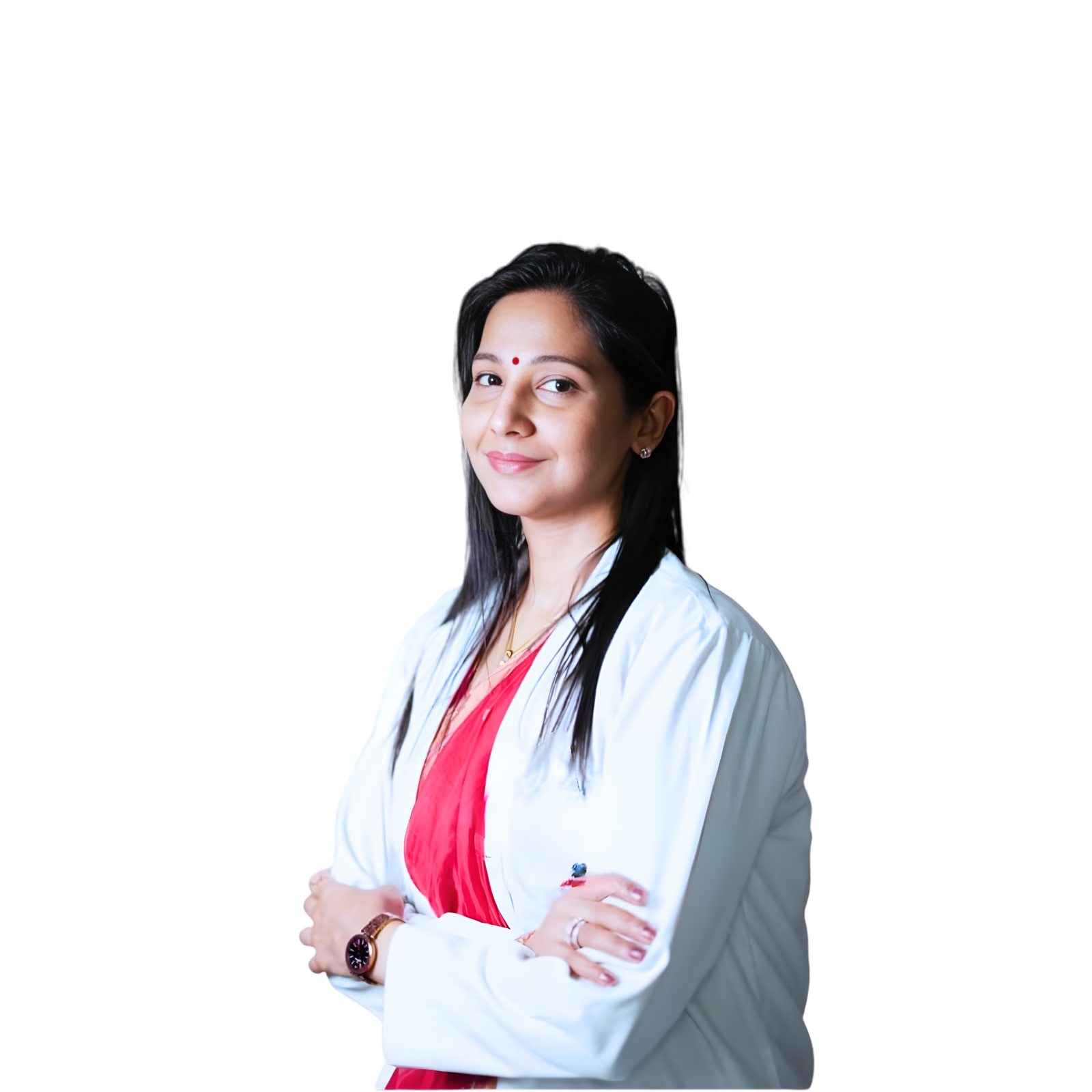
Dr. Anjali Jain is a distinguished, board-certified Gynaecologic Oncologist currently serving patients at Medanta – The Medicity in Gurugram. She has dedicated her career to the eradication of women's cancers, specifically focusing on the complex surgical management of ovarian, cervical, and uterine malignancies.
With a philosophy rooted in compassionate, patient-first care, Dr. Jain understands that a cancer diagnosis is overwhelming. She believes in empowering her patients through education, ensuring that every woman fully understands her specific diagnosis, the staging of her cancer, and the multidisciplinary treatment options available to her. Dr. Jain is renowned for her surgical precision, utilizing state-of-the-art minimally invasive robotic and laparoscopic techniques whenever possible, which drastically reduces recovery times and post-operative pain while maintaining strict oncological safety.
Her expertise extends to performing highly complex procedures such as Cytoreductive (Debulking) Surgery for advanced ovarian cancer, a critical procedure where the goal is to remove all visible tumors to improve the efficacy of subsequent chemotherapy. Dr. Jain collaborates closely with a tumor board of medical oncologists, radiation oncologists, and pathologists at Medanta to tailor a comprehensive, individualized treatment plan for every single patient.
Consult Dr. Jain TodayOvarian cancer is often referred to as the "silent killer" because its early symptoms are frequently subtle and easily mistaken for common, benign gastrointestinal issues. It originates in the ovaries, or in the related areas of the fallopian tubes and the peritoneum. Education and early detection are your strongest defenses.
Not all ovarian cancers are the same. Treatment depends heavily on the specific cell type where the cancer originated:
While the exact cause of ovarian cancer is not entirely understood, several factors can increase a woman's risk of developing the disease:
If you experience any of the following symptoms persistently for more than two to three weeks, it is crucial to consult a Gynae Oncologist immediately:
Accurate staging and diagnosis are the cornerstones of effective treatment. Dr. Anjali Jain utilizes the most advanced diagnostic tools available at Medanta, including Transvaginal Ultrasounds (TVUS), Pelvic MRI and CT scans, and CA-125 blood tests (a tumor marker). A definitive diagnosis is typically made during a surgical biopsy, where tissue is removed and examined by an expert pathologist.
The primary treatment for most ovarian cancers involves a combination of surgery and chemotherapy. As an expert surgeon, Dr. Jain specializes in:
Also known as "debulking" surgery. For advanced stages, the goal is to surgically remove as much of the tumor as possible from the abdomen and pelvis. Research consistently shows that patients who undergo optimal debulking by a specialized Gynae Oncologist have significantly better survival rates. This may involve removing the ovaries, fallopian tubes, uterus, omentum, and any other visibly affected tissue.
In cases where the cancer is widespread or the patient is not fit for immediate extensive surgery, chemotherapy is administered first to shrink the tumors. This is followed by "Interval Debulking Surgery" performed by Dr. Jain, and then further chemotherapy to eradicate remaining microscopic cancer cells.
Following primary treatments, Dr. Jain works with medical oncologists to utilize advanced targeted therapies, such as PARP inhibitors, specifically for patients with BRCA mutations. These drugs target the cancer cells' specific vulnerabilities to prevent recurrence, offering a new horizon of hope for long-term remission.
"When my mother was diagnosed with stage 3 ovarian cancer, we were terrified. Finding Dr. Anjali Jain was a blessing. Her surgical expertise during the debulking procedure was phenomenal, and her compassionate nature kept our family hopeful. My mother is now in remission, and we owe it all to Dr. Jain and the Medanta team."
"Dr. Anjali takes the time to explain everything. She didn't just rush me into the operation theater; she sat down, drew diagrams, and explained the exact staging of my tumor and why she recommended robotic surgery. My recovery was much faster than I anticipated. She is truly the best gynae oncologist in Gurugram."
"Professional, highly skilled, and deeply empathetic. I was referred to Dr. Jain after a misdiagnosis elsewhere. She immediately ordered the correct scans and expedited my surgery. Her post-operative care is just as thorough as her surgical skills. Highly recommended for any woman facing a gynecological cancer."