
Dr. Anjali Jain is a leading Gynaecologic Oncologist at Medanta–The Medicity, specializing in highly complex, multi-organ cancer surgeries. For advanced ovarian and primary peritoneal cancers, achieving "optimal cytoreduction" (removing all visible tumors) is the single most important surgical factor for long-term survival. Trust your care to an expert equipped to handle the most challenging oncological cases.
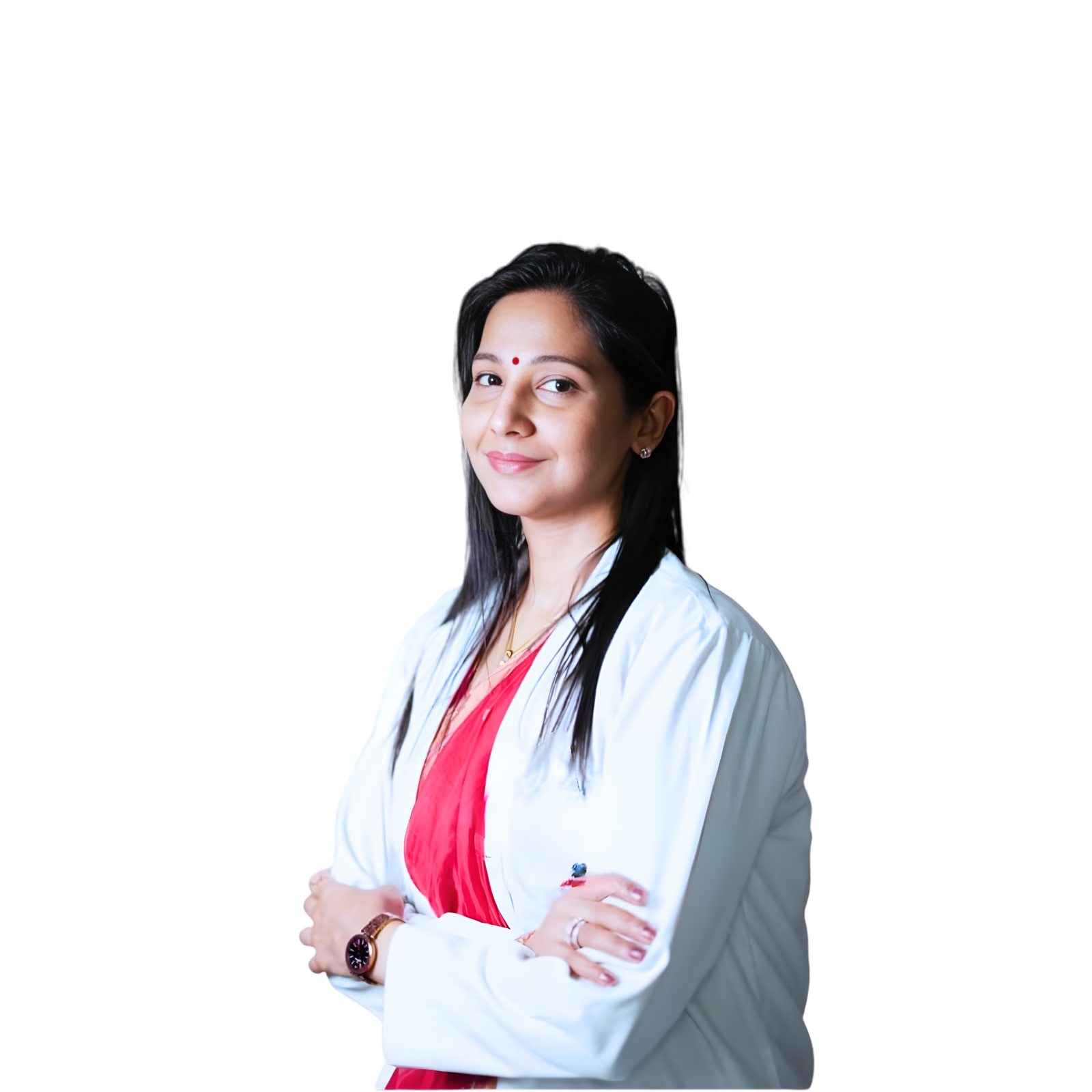
Dr. Anjali Jain is a distinguished, board-certified Gynaecologic Oncologist serving patients as a Consultant at Medanta – The Medicity in Gurugram. Cytoreductive surgery is widely considered one of the most extensive and technically demanding procedures in oncology, and Dr. Jain has dedicated her career to mastering it.
Backed by over 14 years of rigorous clinical experience and a specialized Fellowship in Gynae Oncology, she possesses the advanced surgical skills required to meticulously clear tumors from the pelvic and abdominal cavities. Her ultimate goal in every operation is an R0 resection—leaving absolutely no visible traces of cancer behind.
Because advanced gynecological cancers often spread to surrounding organs, Dr. Jain leads a multidisciplinary team. She operates in Medanta’s state-of-the-art surgical suites, frequently collaborating with gastrointestinal (GI) surgeons, urologists, and medical oncologists to ensure safe, comprehensive tumor removal and exceptional post-operative ICU care.
Consult Dr. Jain TodayUnlike many cancers where surgery simply removes a primary organ, advanced ovarian, fallopian tube, and peritoneal cancers often spread like "seeds" throughout the abdomen. Cytoreductive surgery (or "debulking") is the meticulous process of hunting down and removing these scattered tumors.
Medical research is clear: the less tumor left behind, the better the survival rate. The ultimate goal is complete macroscopic resection (no visible tumors remaining). If that is not anatomically possible without causing severe harm, the goal is "optimal cytoreduction," meaning no single remaining tumor is larger than 1 centimeter.
Removing the bulk of the cancer serves a dual purpose:
Depending on where the cancer has spread, the surgery usually involves removing:
Not all cytoreductive surgeries happen immediately after diagnosis. Dr. Jain uses advanced imaging (PET-CT/MRI) and sometimes diagnostic laparoscopy to determine the best timing for your surgery:
If the imaging suggests that all visible cancer can be safely removed right away, Dr. Jain will perform the cytoreductive surgery first, followed by several rounds of chemotherapy.
If the cancer is too widespread or the patient is too frail for major surgery, medical oncologists will administer 3-4 cycles of Neoadjuvant Chemotherapy to shrink the tumors. Dr. Jain then performs an "Interval Debulking Surgery," followed by the remaining chemotherapy.
In select cases, Medanta offers HIPEC (Hyperthermic Intraperitoneal Chemotherapy). Immediately after Dr. Jain removes all visible tumors, heated chemotherapy is circulated directly into the abdominal cavity to kill microscopic cancer cells before closing the incision.
"When I was diagnosed with Stage 3 ovarian cancer, other doctors said it was too extensive to operate. Dr. Jain reviewed my scans and took on my case. Her surgical skills during the 7-hour debulking procedure were phenomenal. She achieved zero visible disease, and I am now in remission. She is a lifesaver."
"Cytoreductive surgery is incredibly daunting. Dr. Anjali Jain sat with my family, drew diagrams, and explained exactly what she needed to remove and why. Her transparency gave us hope. The ICU care at Medanta post-surgery was excellent, and Dr. Jain checked on me every single day."
"My mother required interval debulking after her chemo. Dr. Jain was meticulous. She removed the remaining tumors safely and coordinated seamlessly with the medical oncology team. Her expertise gave my mother the best possible chance at beating this disease."