
Table of Contents
ToggleWhen Cancer Treatment Feels Overwhelming, Having the Right Surgical Team Matters
Hearing that you may need a radical hysterectomy can bring a lot of questions at once. What exactly will be removed? Will surgery cure the cancer? How long will recovery take? And, perhaps most importantly, who should I trust with something this important?
If you are looking for a Radical Hysterectomy Doctor in Gurugram, it helps to choose a specialist who understands not only the surgery itself but also the emotional side of cancer care.
Dr. Anjali Jain is a Gynae Oncology specialist in Gurugram who focuses on the diagnosis and surgical management of cancers affecting women’s reproductive organs. Her practice at Medanta–The Medicity, Gurugram, offers patients access to specialist consultation and individualized treatment planning.
What Is a Radical Hysterectomy?
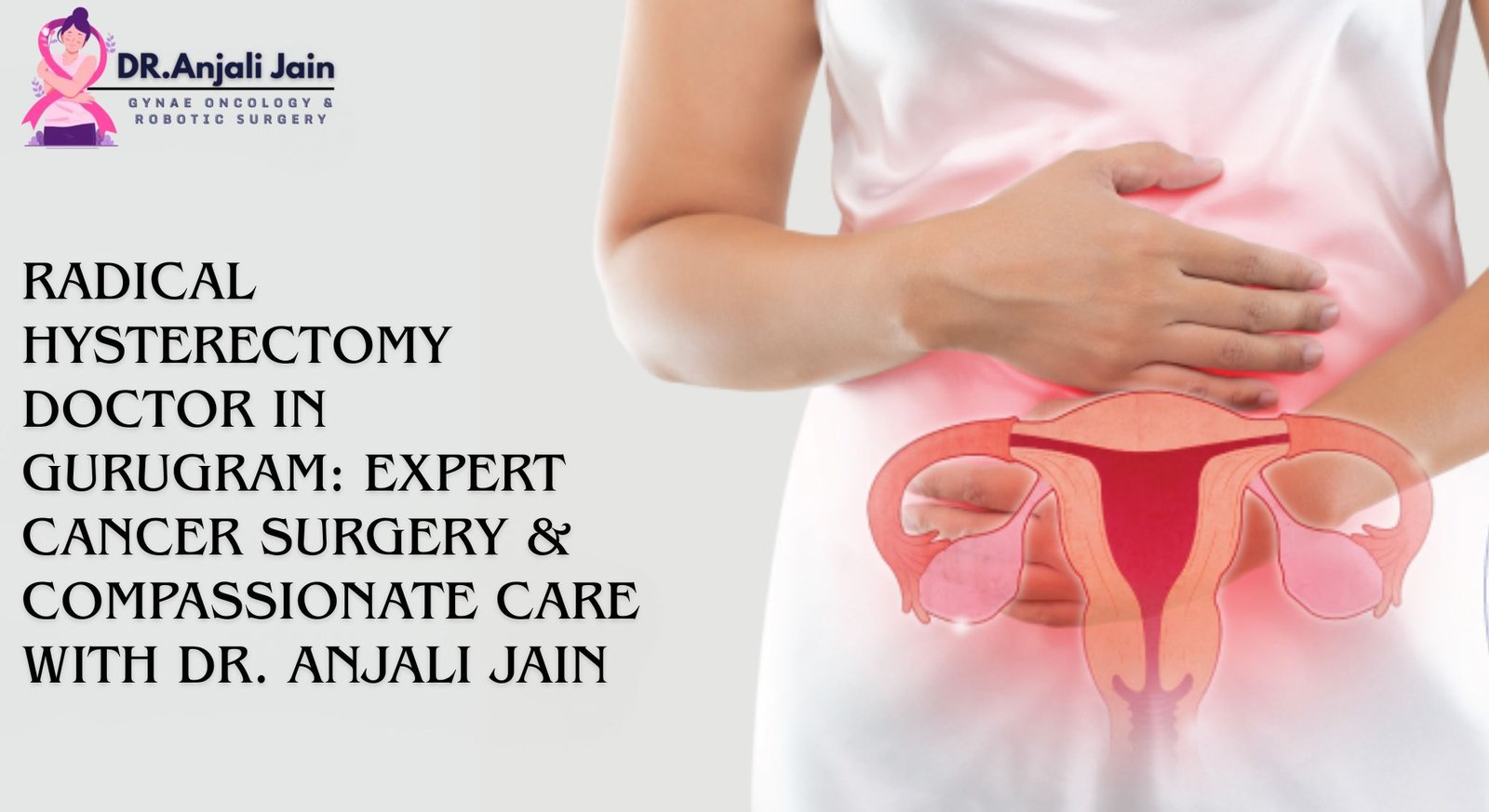
A radical hysterectomy is a cancer surgery in which the uterus, cervix, and surrounding tissues are removed, usually when certain gynecological cancers require more extensive surgical treatment.
Unlike a simple hysterectomy, which generally removes the uterus and cervix, radical hysterectomy removes additional tissues around the cervix and upper part of the vagina. Depending on the cancer and its stage, nearby lymph nodes may also be assessed or removed.
Think of it like removing not just the main problem area, but also a carefully planned margin around it to help reduce the chance that cancer cells remain behind.
What conditions may require radical hysterectomy?
- Cervical cancer is one of the main conditions for which radical hysterectomy may be considered.
- Some early-stage or selected gynecological cancers may require specialized surgical management.
- The exact operation depends on the type, size, location, and stage of cancer.
- Not every woman diagnosed with cervical cancer needs radical hysterectomy.
That last point is important. Cancer treatment is not a one-size-fits-all prescription. Your doctor may recommend surgery, radiation, chemotherapy, or a combination depending on your individual diagnosis.
Why Does a Radical Hysterectomy Need a Specialist?
Cancer surgery requires more than simply removing an organ. The surgeon has to understand the disease, surrounding anatomy, lymphatic pathways, and the patient’s overall treatment plan.
Why choose a gynae oncology specialist?
- Specialized cancer expertise: Gynae oncologists focus specifically on cancers of the female reproductive system.
- Individualized planning: Treatment can be planned according to the cancer’s stage and characteristics.
- Complex surgical knowledge: Radical hysterectomy involves delicate structures around the uterus and cervix.
- Multidisciplinary care: Cancer treatment may involve surgery, medical oncology, radiation oncology, pathology, and imaging specialists.
- Recovery-focused care: Surgical planning also considers healing, complications, and quality of life.
If you are searching for a Radical Hysterectomy Doctor in Gurugram, asking about the doctor’s experience with gynecological cancer surgery is an important part of choosing your care team.
How Is Radical Hysterectomy Performed?
The surgical approach can vary from patient to patient. Depending on the cancer, medical history, anatomy, and treatment plan, the procedure may be performed through an open abdominal approach or, in selected situations, using minimally invasive techniques.
Your doctor will explain which approach is appropriate rather than choosing a surgical method simply because it sounds newer or less invasive.
What happens before surgery?
Before recommending radical hysterectomy, your treatment team may review:
- Biopsy or pathology reports
- Imaging scans
- Cancer stage
- General health and medical history
- Blood tests and other preoperative investigations
- Previous treatments
- Fertility and quality-of-life considerations where relevant
The goal is to understand the complete picture before making a major treatment decision.
What Happens During Radical Hysterectomy?
During the procedure, the surgeon removes the uterus and cervix along with surrounding tissues according to the required surgical plan. The upper portion of the vagina may also be removed, and lymph nodes may be evaluated depending on the cancer.
The surgeon works carefully around nearby structures such as the bladder, ureters, bowel, blood vessels, and nerves.
That is why specialist surgical experience matters. Radical hysterectomy is a complex operation, and the surgical plan needs to balance cancer control with preservation of healthy structures whenever medically appropriate.
What Is Recovery Like After Radical Hysterectomy?
Recovery varies considerably from one woman to another. Your hospital stay, pain levels, mobility, return to work, and overall recovery depend on the surgical approach and your individual health.
During recovery, you may be advised to:
- Walk gradually as recommended by your medical team.
- Keep the surgical wound clean and follow wound-care instructions.
- Take prescribed medicines as directed.
- Avoid strenuous activity until your surgeon gives you clearance.
- Attend all follow-up appointments.
- Report unusual bleeding, fever, severe pain, breathing difficulty, or other concerning symptoms promptly.
Think of recovery as a gradual return rather than a race. Your body has been through major surgery and needs time to rebuild strength.
Meet the Expert: Dr. Anjali Jain
Dr. Anjali Jain is a Gynae Oncology specialist and robotic surgeon in Gurugram, providing specialized care for women with gynecological cancers and conditions requiring advanced surgical evaluation.
Her approach focuses on helping patients understand what is happening before they make treatment decisions. Rather than overwhelming patients with complicated medical language, the aim is to explain the diagnosis, available treatment options, expected benefits, possible risks, and recovery process clearly.
For a woman facing cancer, that conversation can matter just as much as the procedure itself.
Patients looking for a Radical Hysterectomy Doctor in Gurugram can consult Dr. Anjali Jain at Medanta–The Medicity, Gurugram, where treatment planning can be tailored to the individual patient’s diagnosis.
Patient Voice
The following are illustrative testimonial-style examples for website layout and should be replaced with verified patient reviews before publication.
“I was extremely anxious when my doctor told me that I might need a radical hysterectomy. Dr. Anjali Jain explained everything patiently and answered all my questions. I finally felt that I understood what was happening and could make my decision with confidence.”
“Cancer treatment is emotionally difficult, but having a doctor who listens makes a huge difference. I appreciated how clearly the surgery and recovery process were explained to me. The entire experience felt much less frightening than I had imagined.”
“I came to Dr. Anjali Jain for a second opinion and was grateful for the detailed discussion about my treatment options. I never felt rushed, and every question I had was taken seriously.”
The Fix: Your Radical Hysterectomy Treatment Journey
| Stage | What Usually Happens |
| 1. Consultation | Your symptoms, reports, medical history, and concerns are reviewed. |
| 2. Diagnosis & Staging | Pathology and imaging help determine the extent and nature of the cancer. |
| 3. Treatment Planning | Your specialist discusses surgery and other appropriate treatment options. |
| 4. Pre-Surgery Preparation | Required tests and medical assessments are completed before surgery. |
| 5. Radical Hysterectomy | The planned cancer surgery is performed using the approach considered appropriate for you. |
| 6. Recovery | Hospital recovery is followed by gradual activity and follow-up care. |
| 7. Further Treatment, If Needed | Pathology results help determine whether additional treatment is recommended. |
How to Prepare for Your Consultation
Coming prepared can make your appointment much easier.
Bring your biopsy or Pap test reports, scans, blood-test results, previous prescriptions, and details of earlier treatments if applicable.
It can also help to write down your questions beforehand. Ask about the purpose of surgery, alternatives, expected recovery, possible complications, fertility considerations where relevant, and whether additional treatment may be needed.
There is no such thing as a silly question when it concerns your health.
Frequently Asked Questions About Radical Hysterectomy
1. What is a radical hysterectomy used for?
A radical hysterectomy is primarily used to surgically treat selected gynecological cancers, particularly certain early-stage cervical cancers. The exact indication depends on the cancer type, stage, tumor characteristics, and the patient’s overall health.
2. Is radical hysterectomy the same as a normal hysterectomy?
No, radical hysterectomy is more extensive than a simple hysterectomy. It removes the uterus and cervix along with additional surrounding tissues and may involve lymph-node assessment, depending on the cancer.
3. How long does it take to recover from radical hysterectomy?
Recovery from radical hysterectomy commonly takes several weeks, although the exact timeline varies between patients. Your surgical approach, general health, complications, and whether additional treatment is required can all influence recovery.
4. Can cervical cancer be treated with radical hysterectomy?
Yes, radical hysterectomy can be an appropriate treatment for selected cervical cancer patients. However, it is not suitable for every patient, so proper staging and specialist evaluation are essential before deciding on surgery.
5. What should I ask a radical hysterectomy doctor?
Ask about your cancer stage, why surgery is recommended, possible alternatives, the surgical approach, expected recovery, potential complications, and whether additional treatment may be needed. Taking notes or bringing a trusted family member can also make the consultation easier.
6. How do I find a Radical Hysterectomy Doctor in Gurugram?
Look for a gynae oncology specialist with expertise in managing gynecological cancers and complex cancer surgery. A specialist consultation can help you understand whether radical hysterectomy is appropriate for your particular diagnosis and what other treatment options may be available.
Visit Dr. Anjali Jain in Gurugram
A cancer diagnosis can make everything feel uncertain. The right specialist consultation can help replace some of that uncertainty with a clear treatment plan and realistic expectations.
If you are searching for a Radical Hysterectomy Doctor in Gurugram, Dr. Anjali Jain provides specialized gynae oncology consultation at Medanta–The Medicity.
Call Now Button
📞 Call +91-9599150155
📅 Book an Appointment with Dr. Anjali Jain
Clinic: Dr Anjali Jain – Best Gynae Oncologist
Address: 8th Floor, Medanta–The Medicity, CH Baktawar Singh Rd, Medicity, Islampur Colony, Sector 38, Gurugram, Haryana 122001
Consultation Timing: 9:00 AM to 5:00 PM
Sunday: Closed
If you or someone you love has been advised to undergo a radical hysterectomy, don’t feel pressured to figure everything out alone. Book a specialist consultation, bring your reports, ask your questions, and take the next step with a treatment plan designed around you.