

Table of Contents
ToggleFeeling “Off” Lately? It Might Not Be Just Gas or Stress
Let’s be honest—most of us ignore symptoms like bloating, mild abdominal pain, or feeling full too quickly. We blame it on food, hormones, or just a hectic lifestyle.
But what if your body is trying to tell you something more serious?
Ovarian cancer is often called a “silent disease” because its symptoms are subtle and easy to overlook. The good news? When caught early and treated by the right specialist, outcomes can improve significantly.
If you’re searching for an experienced Ovarian Cancer Doctor in Gurugram, this guide will help you understand the signs, causes, and treatment options—without overwhelming medical jargon.
What is Ovarian Cancer?
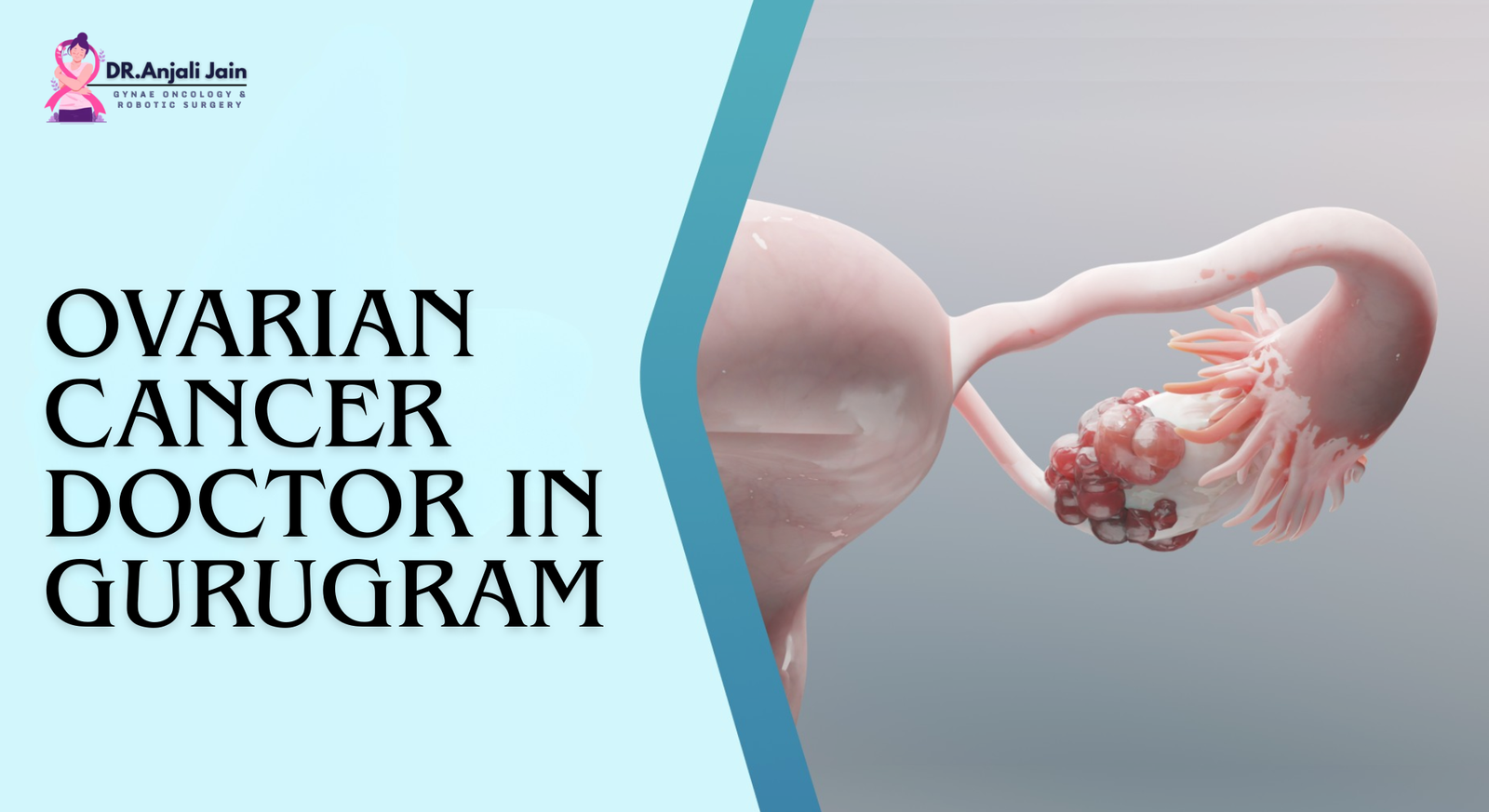
Ovarian cancer starts in the ovaries—two small organs in a woman’s pelvis responsible for producing eggs and hormones.
Think of ovaries as tiny “factories.” When cells in these factories grow abnormally and uncontrollably, they can form tumors—this is ovarian cancer.
Quick Answers
- What is ovarian cancer?
It is the uncontrolled growth of abnormal cells in the ovaries. - Why does ovarian cancer happen?
It can be due to genetic factors, age, hormonal changes, or unknown causes. - How serious is ovarian cancer?
It can be serious if detected late, but early diagnosis improves treatment success.
Types of Ovarian Cancer You Should Know
Not all ovarian cancers are the same. Understanding the type helps guide treatment.
1. Epithelial Ovarian Cancer
- Makes up around 90% of cases
- Usually affects women over 40
2. Germ Cell Tumors
- Rare (about 5%)
- More common in younger women under 30
3. Stromal Tumors
- Also rare (about 5%)
- Can produce hormones and cause unusual symptoms
4. Primary Peritoneal Cancer
- Very rare but behaves like ovarian cancer
Early Symptoms: The Signs Most Women Miss
Here’s the tricky part—ovarian cancer symptoms are not dramatic. They’re subtle and persistent.
Watch out for these signs:
- Constant bloating (not occasional)
- Pelvic or abdominal pain
- Feeling full quickly while eating
- Frequent urination
- Unexplained weight loss or gain
- Fatigue that doesn’t go away
Why Early Detection Matters
Ovarian cancer is often diagnosed in later stages because symptoms are ignored.
- Early Stage (Stage 1): Cancer limited to ovaries → High treatment success
- Advanced Stage: Cancer spreads → Treatment becomes more complex
That’s why consulting an expert Ovarian Cancer Doctor in Gurugram at the right time can make all the difference.
How is Ovarian Cancer Diagnosed?
Diagnosis is not based on just one test—it’s a combination of evaluation methods.
Common Diagnostic Steps:
- Pelvic Examination
- Ultrasound (TVS)
- CT or MRI Scan
- CA-125 Blood Test (tumor marker)
- Biopsy (final confirmation)
Quick Answer:
- How do doctors confirm ovarian cancer?
A biopsy is the only definitive way to confirm ovarian cancer.
Treatment Options: What Actually Works?
Treatment depends on the stage, type, and overall health of the patient.
Main Treatment Approaches:
1. Surgery (Primary Treatment)
- Removal of tumor and affected tissues
- May include hysterectomy in some cases
2. Chemotherapy
- Kills remaining cancer cells after surgery
3. Targeted Therapy
- Focuses on specific cancer cell pathways
4. Robotic & Minimally Invasive Surgery
- Smaller cuts, faster recovery, less pain
💡 Modern advancements mean faster healing, minimal scarring, and better outcomes when handled by experienced specialists.
Meet the Expert: Dr. Anjali Jain
When it comes to something as sensitive as cancer care, you need more than just a doctor—you need someone who listens, explains, and treats with compassion.
Dr. Anjali Jain – Best Gynae Oncologist in Gurugram
Senior Consultant in Gynaecology, Gynae Oncology & Robotic Surgery at Medanta Hospital
Why Patients Trust Her:
- 14+ years of experience in women’s cancer care
- ESGO-certified Gynae Oncologist
- Expertise in robotic and minimally invasive surgeries
- International training (Boston & Rome)
- Focus on personalized, patient-first care
Her approach is simple:
“Treat the disease, but care for the person.”
Real Patient Experiences
⭐ “I thought it was just gas…”
“I ignored bloating for months. Dr. Anjali diagnosed it early and guided me through surgery smoothly. Today, I feel healthy and confident again.”
⭐ “She explained everything so clearly”
“What I loved most was how she took time to explain every step. It didn’t feel scary anymore.”
⭐ “Recovery was faster than expected”
“My robotic surgery meant less pain and quick recovery. I was back to normal life sooner than I imagined.”
The Treatment Journey
Here’s a simple breakdown of how treatment usually progresses:
| Step | What Happens |
| 1 | Initial consultation & symptom evaluation |
| 2 | Diagnostic tests (scan, blood test) |
| 3 | Confirm diagnosis (biopsy) |
| 4 | Treatment planning |
| 5 | Surgery (if needed) |
| 6 | Chemotherapy / follow-up care |
| 7 | Recovery & monitoring |
When Should You See a Doctor?
Don’t wait for symptoms to become severe.
👉 You should consult a specialist if:
- Symptoms last more than 2–3 weeks
- You have a family history of cancer
- You feel something “isn’t right” in your body
Trust your instincts—they’re often right.
FAQs: Real Questions Women Ask
1. Is ovarian cancer curable?
Yes, ovarian cancer can be treatable, especially when detected early. Early-stage diagnosis significantly improves survival rates.
2. What is the first symptom of ovarian cancer?
The most common early symptom is persistent bloating. Many women also notice pelvic discomfort or feeling full quickly.
3. Can ovarian cancer happen at a young age?
Yes, although it is more common after 40, certain types like germ cell tumors can occur in younger women.
4. How is ovarian cancer different from ovarian cysts?
Ovarian cysts are usually harmless and common, while cancer involves abnormal and uncontrolled cell growth. Proper evaluation is essential.
5. Does ovarian cancer spread quickly?
Yes, ovarian cancer can spread if not treated early. That’s why timely diagnosis is crucial.
6. Which doctor should I consult for ovarian cancer?
You should consult a Gynae Oncologist, a specialist trained in treating women’s cancers.
Your Next Step: Don’t Ignore the Signs
If something feels off, don’t Google endlessly or wait it out. Getting clarity early can save time, stress, and even lives.
Visit Us – Expert Care in Gurugram
Clinic Name: Dr Anjali Jain – Best Gynae Oncologist
Doctor: Dr. Anjali Jain
Phone: +91-9599150155
Timings: 9:00 AM – 5:00 PM (Monday to Saturday)
Closed: Sunday
Address:
8th Floor, Medanta–The Medicity,
CH Baktawar Singh Rd, Medicity,
Islampur Colony, Sector 38,
Gurugram, Haryana 122001
Your health doesn’t need to wait for a “perfect time.”
If you’re experiencing symptoms—or even if you just want peace of mind—consulting a trusted Ovarian Cancer Doctor in Gurugram like Dr. Anjali Jain can give you clarity, confidence, and the care you deserve.
Because when it comes to your health, early action is always the best decision.