
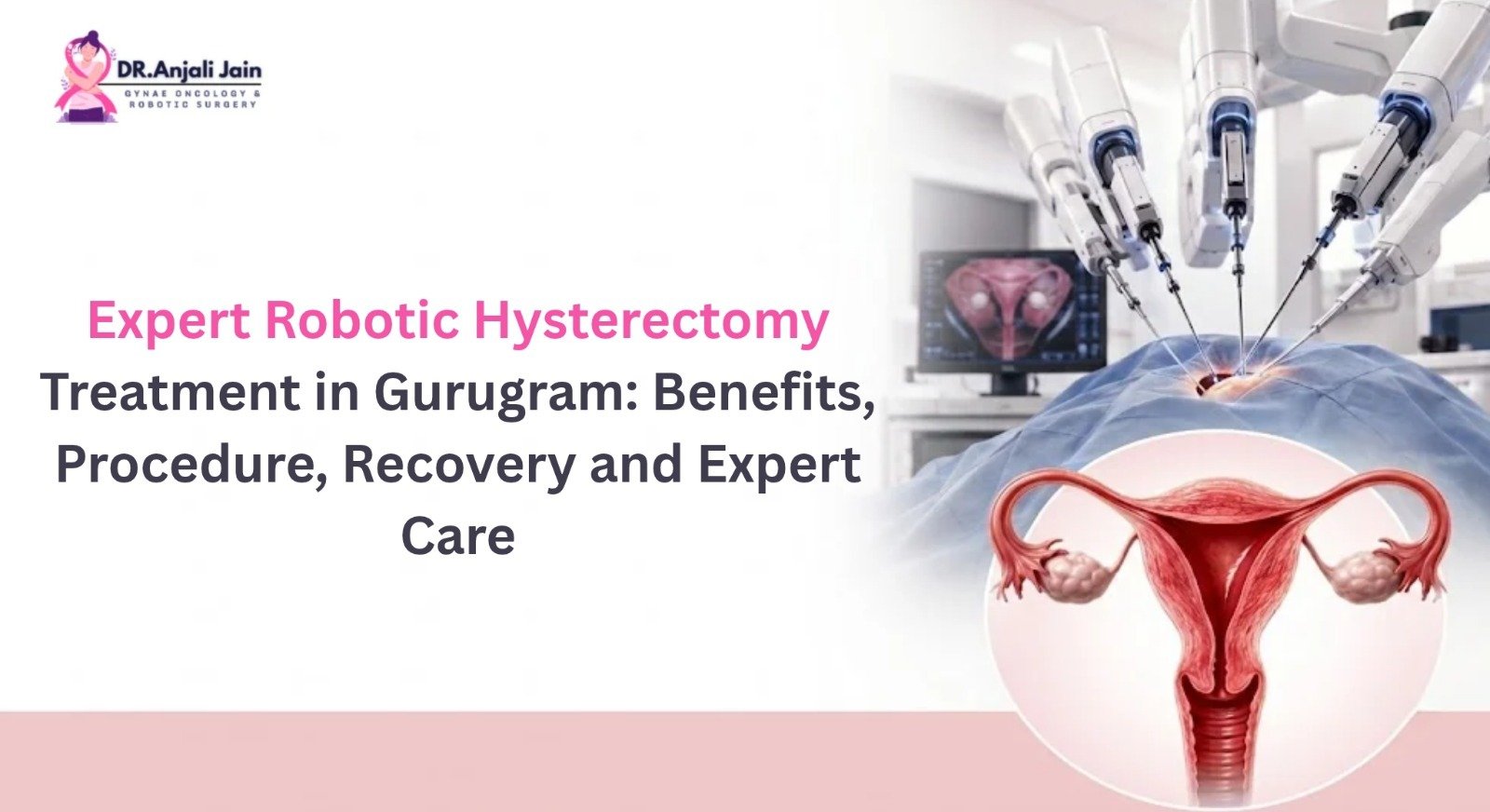
Living with heavy menstrual bleeding, pelvic pain, uterine fibroids, or other gynaecological problems can affect your physical comfort, daily routine, and emotional well-being. When medicines and other treatments do not provide sufficient relief, your gynaecologist may recommend a hysterectomy, a surgical procedure to remove the uterus.
Advances in minimally invasive surgery have made it possible for many women to undergo hysterectomy through smaller incisions. Robotic hysterectomy in Gurugram is one treatment option that may offer benefits such as smaller surgical incisions and a potentially shorter recovery period for suitable patients.
Dr Anjali Jain, a gynaecological oncologist associated with Medanta – The Medicity, Gurugram, is a specialist women can consult to discuss their diagnosis and available treatment options. The right treatment depends on your medical history, symptoms, diagnosis, and individual needs.
In this guide, we explain robotic hysterectomy, its potential benefits, the procedure, recovery, and important factors to consider when choosing a specialist.
Table of Contents
ToggleWhat Is Robotic Hysterectomy?
Robotic hysterectomy is a minimally invasive surgical procedure in which a doctor uses a robotic-assisted surgical system to remove the uterus through small incisions in the abdomen.
The system provides a high-definition view of the surgical area and allows the surgeon to control specialised instruments with precise movements. The robot does not perform the surgery independently; the surgeon remains in control throughout the procedure.
Depending on your diagnosis and treatment requirements, the surgeon may remove only the uterus or may also recommend removing the cervix, fallopian tubes, or ovaries.
These decisions depend on several factors, including your age, medical condition, preferences, and whether a gynaecological cancer or another complex condition is involved.
What Are the Benefits of Robotic Hysterectomy?
For appropriately selected patients, robotic-assisted hysterectomy may offer several advantages over traditional open surgery.
Potential benefits include:
- Smaller surgical incisions: Robotic surgery generally uses small incisions rather than one large abdominal incision.
- Less blood loss: Some patients may experience less blood loss during surgery.
- Reduced postoperative discomfort: Some women may experience less pain after surgery.
- Shorter hospital stay: Hospitalisation may be shorter than after abdominal hysterectomy.
- Potentially faster recovery: Suitable patients may return to routine activities sooner.
- Enhanced surgical precision: The robotic system provides magnified visualisation and allows controlled instrument movements.
However, these benefits are not guaranteed for every patient. Outcomes depend on the complexity of the procedure, the surgeon’s experience, your overall health, and the condition being treated.
Your gynaecologist can explain whether robotic surgery is appropriate for your specific situation.
Why Might a Woman Need a Hysterectomy?
A hysterectomy may be recommended when a uterine condition causes persistent symptoms, affects quality of life, or does not respond adequately to other treatments.
Common reasons include:
1. Uterine Fibroids
Fibroids are growths in or around the uterus that may cause heavy menstrual bleeding, pelvic pressure, pain, or anemia. Depending on their size, location, and associated symptoms, surgery may be considered.
2. Adenomyosis
Adenomyosis occurs when tissue similar to the uterine lining grows into the muscular wall of the uterus. It can cause painful periods, heavy bleeding, and chronic pelvic discomfort.
3. Abnormal Uterine Bleeding
Persistent or heavy uterine bleeding that does not improve with appropriate medical treatment may require further investigation and, in selected cases, surgical treatment.
4. Uterine Prolapse
Uterine prolapse occurs when the uterus descends into the vagina because the supporting pelvic tissues have weakened. A hysterectomy may be considered as part of treatment in certain cases.
5. Gynaecological Cancers
Some cancers of the uterus or cervix may require hysterectomy as part of a broader cancer treatment plan. The recommended procedure depends on the type and stage of the cancer.
An important consideration: Removing the uterus permanently ends the ability to carry a pregnancy, and menstrual periods stop. However, removing the uterus does not automatically mean the ovaries must also be removed. Discuss the implications of each option with your doctor before making a decision.
How Do You Know If Robotic Hysterectomy Is Right for You?
Not every patient is a suitable candidate for robotic-assisted surgery. Your doctor will evaluate your symptoms, medical history, examination findings, and diagnostic reports before recommending a treatment approach.
Your assessment may include:
- A detailed review of your symptoms and medical history.
- A gynaecological examination.
- An ultrasound examination.
- Blood tests, including tests to evaluate anaemia when needed.
- Cervical screening, if indicated.
- An endometrial biopsy, when clinically necessary.
Previous abdominal surgeries, the size of the uterus, other health conditions, and the complexity of the disease may influence the choice of surgical technique.
Before proceeding, ask your doctor to explain the expected benefits, possible complications, available alternatives, and likely recovery period. In some cases, medicines or other procedures may be appropriate alternatives to hysterectomy.
Robotic Hysterectomy vs Traditional Abdominal Hysterectomy
The main difference between robotic-assisted and abdominal hysterectomy is the surgical approach used to access and remove the uterus.
| Feature | Robotic-Assisted Hysterectomy | Abdominal Hysterectomy |
| Surgical access | Usually uses small incisions | Usually involves a larger abdominal incision |
| Visualisation | Magnified, high-definition camera view | Direct surgical view through the abdominal opening |
| Blood loss | May be lower in suitable cases | Depends on the procedure and patient factors |
| Recovery | May be faster for suitable patients | Often involves a longer recovery |
| Hospital stay | May be shorter | May be longer |
| Suitability | Depends on diagnosis and surgical complexity | May be preferred in certain complex cases |
Vaginal and conventional laparoscopic hysterectomy are also established surgical options. Robotic surgery is not automatically the best choice for everyone. The priority is selecting the safest and most appropriate approach for your condition.
How Is Robotic Hysterectomy Performed?
Understanding the different stages of surgery can help you feel more prepared and confident about your treatment.
Before Surgery
Your doctor reviews your medical history, current medicines, test results, and overall health. The anaesthesia team may also assess you before the procedure.
You will receive instructions about fasting, medication adjustments, and other preparations required before surgery. Follow these instructions carefully.
During Surgery
Robotic hysterectomy is generally performed under general anaesthesia. The surgeon makes small incisions in the abdomen and inserts a camera and robotic instruments.
Using the robotic system, the surgeon controls the instruments to perform the planned operation and remove the uterus. The exact steps depend on the surgical plan and the patient’s condition.
Immediately After Surgery
Following the procedure, you are monitored in the recovery area. The medical team checks your vital signs, pain levels, mobility, and ability to drink fluids or urinate, as appropriate.
Your hospital stay depends on your recovery, overall health, and the details of the operation.
During Recovery
Your healthcare team provides instructions on wound care, pain management, activity restrictions, and follow-up appointments. You will also be advised about symptoms that require prompt medical attention.
How Long Does Recovery Take After Robotic Hysterectomy?
Recovery varies from person to person. Many patients begin gradually returning to light daily activities within one to two weeks after minimally invasive hysterectomy, while full recovery may take around four to six weeks or longer.
Your recovery timeline may depend on your health, the complexity of surgery, and whether any complications occur.
During recovery:
- Follow your doctor’s instructions about physical activity.
- Avoid heavy lifting and strenuous exercise until cleared.
- Resume sexual activity only when your medical team confirms it is safe.
- Attend scheduled follow-up appointments.
- Take prescribed medicines as directed.
Contact your healthcare provider promptly if you experience fever, heavy bleeding, worsening abdominal pain, or a painful, swollen leg. Seek emergency medical care for chest pain or difficulty breathing.
Meet the Expert: Dr Anjali Jain in Gurugram
Choosing a specialist involves more than selecting a particular surgical technique. It is also important to understand your diagnosis, feel comfortable discussing your concerns, and receive a treatment plan suited to your needs.
Dr Anjali Jain is associated with Medanta – The Medicity, Gurugram, and is identified as a gynaecological oncologist. Women considering hysterectomy, particularly those with complex gynaecological conditions or a possible gynaecological cancer, can seek specialist consultation to discuss their diagnosis and treatment options.
During your consultation, consider asking:
- Is hysterectomy necessary in my case?
- Are there suitable alternatives to surgery?
- Am I a candidate for robotic-assisted hysterectomy?
- Will my cervix or ovaries need to be removed?
- What are the possible risks and complications?
- How long might my recovery take?
- What follow-up care will I need?
Before booking an appointment, confirm the doctor’s current hospital affiliation, qualifications, experience with robotic hysterectomy, and appointment availability directly with the hospital.
Patient Reviews: What Should You Look For?
Patient reviews can provide useful insights into communication, hospital support, and the overall care experience. However, individual experiences and surgical outcomes vary, and reviews should never replace a medical consultation.
When reviewing feedback, look for comments about:
- How clearly the doctor explained the diagnosis and treatment options.
- Whether the medical team addressed questions and concerns.
- The quality of preoperative preparation and postoperative guidance.
- The availability of follow-up care and recovery support.
Only verified and approved patient testimonials should be published. No verified patient reviews were provided for this article, so testimonials should be added only when authentic, appropriately authorised feedback is available.
Your Robotic Hysterectomy Treatment Journey
Here is a general overview of the treatment process:
| Stage | What to Expect |
| Initial consultation | Discuss symptoms, medical history, and treatment goals. |
| Diagnostic assessment | Complete the examinations and tests recommended by your doctor. |
| Treatment planning | Review suitable surgical and non-surgical options. |
| Surgery | Undergo the planned procedure with anaesthesia and medical monitoring. |
| Early recovery | Follow instructions for medication, wound care, and movement. |
| Follow-up | Review healing, test results when applicable, and further care requirements. |
Your exact treatment timeline will depend on your diagnosis, the procedure performed, and your recovery.
Frequently Asked Questions About Robotic Hysterectomy in Gurugram
1. Who should I consult for hysterectomy in Gurugram?
Choose a qualified gynaecologist or gynaecological surgeon whose experience matches your medical condition. Ask about their surgical experience, available treatment options, hospital facilities, and postoperative support.
2. Is robotic hysterectomy safer than open surgery?
Robotic hysterectomy may offer advantages such as smaller incisions and potentially faster recovery for selected patients. However, no surgical approach is best for everyone. The safest option depends on your diagnosis, medical history, surgical complexity, and your surgeon’s assessment.
3. How many days does it take to recover from hysterectomy?
Some patients begin light activities within one to two weeks after minimally invasive surgery. Full recovery commonly takes around four to six weeks or longer, depending on individual circumstances and the type of procedure.
4. Do the ovaries always need to be removed during hysterectomy?
No. The ovaries may be preserved in many cases. The decision to remove them depends on factors such as age, diagnosis, cancer risk, and the potential benefits and risks discussed with your doctor.
5. What is the cost of robotic hysterectomy in Gurugram?
The cost depends on the hospital, surgeon, complexity of the procedure, investigations, length of hospital stay, and insurance coverage. Contact the hospital for an individualised estimate after your medical assessment.
6. Can I return to normal life after hysterectomy?
Many women return to their usual activities after recovery. Some experience relief from symptoms that led to surgery. The effects on hormonal health and overall well-being also depend on whether the ovaries are removed and the original condition being treated.
Consult a Specialist for Robotic Hysterectomy in Gurugram
Persistent menstrual bleeding, pelvic pain, fibroids, or other gynaecological concerns can affect your everyday life. A specialist consultation can help you understand the cause of your symptoms and explore appropriate treatment options.
You do not need to decide on surgery before seeking advice. Discuss your diagnosis, the available alternatives, and whether robotic-assisted hysterectomy is suitable for you.
Consultation: Dr Anjali Jain, Gynaecological Oncologist
Hospital: Medanta – The Medicity, Gurugram
Phone: 095991 50155
Address: Medanta – The Medicity, CH Baktawar Singh Road, Medicity, Islampur Colony, Sector 38, Gurugram, Haryana 122018.