
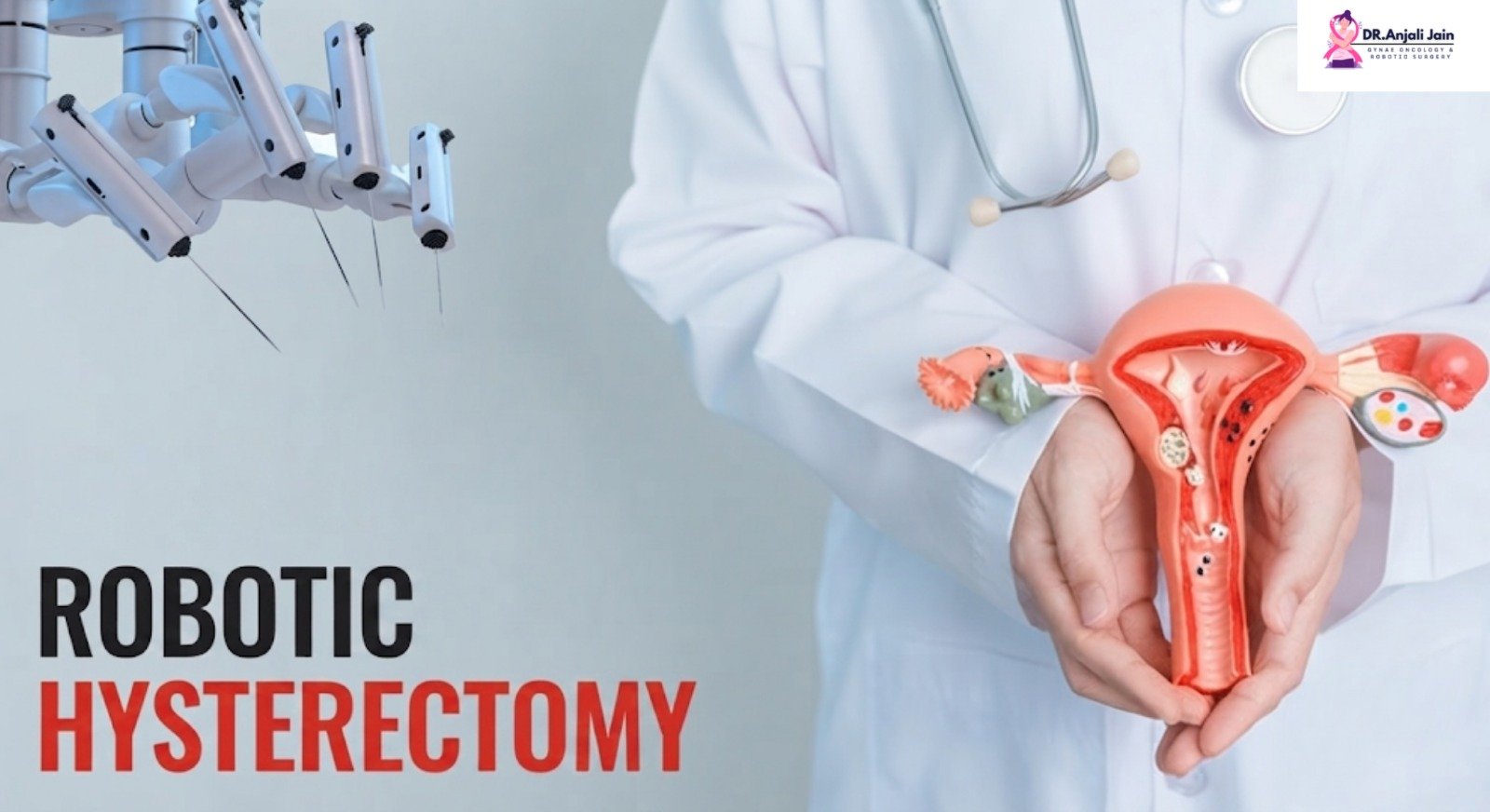
For women thinking about a hysterectomy, the decision can bring up many questions. Will the surgery hurt? How long will it take to recover? Is robotic surgery safer than other methods? Most importantly, is a hysterectomy the right choice for my body?
Newer surgical methods have made robotic hysterectomy an option for some women. In this procedure, the surgeon performs a hysterectomy through small incisions with the help of a robotic surgical system. The surgeon remains completely in control of the instruments and gets a clear, magnified view of the area being treated.
If you are looking for a hysterectomy in Gurugram, learning about how robotic hysterectomy works, its possible benefits and the recovery process can help you have a more informed discussion with your doctor.
Table of Contents
ToggleWhat Is a Robotic Hysterectomy?
A hysterectomy is a surgical procedure to remove the uterus. Depending on the medical condition, the doctor may also recommend removing the cervix, fallopian tubes or ovaries.
In a robotic hysterectomy, the surgeon uses a minimally invasive approach rather than making one large opening in the abdomen. A few small incisions are made to insert a camera and specialised surgical instruments.
The surgeon sits at a console and controls the instruments using precise hand movements. The robotic system does not perform the operation by itself. Every movement is controlled by the surgeon.
The technology helps provide a magnified view and allows the surgeon to make controlled movements while working inside the abdomen.
When May a Hysterectomy Be Recommended?
A doctor may recommend a hysterectomy when other treatments are not providing enough relief or when surgery is considered the most suitable way to treat a particular medical condition.
Depending on your situation, a hysterectomy may be considered for conditions such as:
- Uterine fibroids that cause pain or other symptoms
- Heavy or abnormal bleeding that does not improve with other treatments
- Endometriosis or adenomyosis
- Uterine prolapse
- Certain precancerous conditions
- Uterine, cervical or other gynaecological cancers
- Complex gynaecological conditions that require surgery
Not every woman who needs a hysterectomy will require the same type of surgery. The choice between robotic, laparoscopic, vaginal or open surgery depends on several factors, including your diagnosis, the size of the uterus, previous surgeries and overall health.
Your surgeon can explain which approach is appropriate for your individual situation.
What Are the Benefits of Robotic Hysterectomy?
One of the main reasons robotic hysterectomy may be considered is that it is a minimally invasive surgical approach.
1. Smaller Incisions
Robotic hysterectomy generally uses several small incisions rather than the larger incision associated with open abdominal surgery. Smaller incisions may result in smaller scars and less disruption to the surrounding tissues.
2. Potentially Less Blood Loss
Because the procedure uses smaller incisions and precise surgical movements, robotic hysterectomy may result in less blood loss than open surgery in some patients.
3. Less Pain After Surgery
Smaller incisions may mean less postoperative discomfort compared with traditional open abdominal surgery for some women. However, pain can vary from person to person and may also depend on how complex the surgery is.
4. Shorter Hospital Stay
Many women undergoing minimally invasive hysterectomy can leave the hospital on the same day or after an overnight stay, depending on their condition and the type of procedure performed.
5. Faster Return to Daily Activities
Recovery can be quicker after minimally invasive surgery compared with open abdominal surgery for many patients. However, recovery time varies from one woman to another.
6. Better View for the Surgeon
The robotic system provides the surgeon with a magnified, high-definition view of the surgical area. The instruments are designed to allow controlled and precise movements, which can be useful when operating in areas that are difficult to reach.
How Is Robotic Hysterectomy Performed?
If robotic hysterectomy is considered suitable for you, the procedure generally involves several stages.
Before Surgery
Your doctor will review your symptoms, medical history, previous surgeries, medications and test results. Depending on your condition, you may need blood tests, imaging scans or other evaluations before surgery.
Your surgeon will also discuss which organs or tissues need to be removed and explain the expected benefits, possible risks and recovery process.
During Surgery
Robotic hysterectomy is performed under general anaesthesia, which means you will be asleep during the procedure.
The surgeon makes small incisions in the abdomen. A camera provides a clear view of the surgical area, while specialised instruments are inserted through the other incisions.
The surgeon controls the instruments from a console and carefully separates the uterus from the surrounding tissues before removing it.
Depending on your condition, the surgeon may also remove the cervix, fallopian tubes or ovaries.
Every surgery is different, so the exact technique is planned according to your diagnosis, medical history and treatment needs.
Robotic Hysterectomy for Gynaecological Cancer
For women diagnosed with gynaecological cancer, surgery can be an important part of treatment.
Robotic hysterectomy may be considered for certain uterine or cervical cancers. However, the type of surgery depends on factors such as the type and stage of cancer and whether other tissues or lymph nodes need to be treated.
Cancer treatment requires careful planning. Your oncology team may recommend surgery along with other treatments depending on your diagnosis.
Robotic surgery is not suitable for every cancer patient. Your gynaecological oncologist can assess your condition and explain whether robotic hysterectomy is an appropriate option.
Recovery After Robotic Hysterectomy
Recovery after a robotic hysterectomy happens gradually. Many women are encouraged to start walking soon after surgery, depending on their condition.
During the first few days, you may experience tiredness, mild abdominal discomfort or temporary changes in bowel or bladder habits. These symptoms generally improve as your body heals.
Your doctor may advise you to:
- Take your medicines exactly as prescribed
- Keep the surgical incisions clean and dry
- Walk gently and avoid overexertion
- Avoid lifting heavy objects until your doctor gives you permission
- Attend all scheduled follow-up appointments
- Follow your doctor’s advice about returning to work and normal activities
Recovery time is different for every woman. It depends on the type and complexity of the hysterectomy, your general health and how your body responds to surgery.
Is Robotic Hysterectomy Right for Everyone?
No. Robotic hysterectomy is not the right choice for every patient.
Before recommending robotic surgery, your doctor may consider the size of your uterus, your medical condition, previous abdominal or pelvic surgeries and your overall health.
The best way to understand your options is to have a detailed discussion with your surgeon. You can ask why a hysterectomy is being recommended, which surgical approach is suitable for you and what you can expect during recovery.
Choosing Robotic Hysterectomy in Gurugram
If you are considering Robotic Hysterectomy in Gurugram, choosing an experienced gynaecologist or gynaecological oncologist is an important part of your treatment journey.
During your consultation, ask questions about the reason for surgery, available treatment options, possible risks, expected hospital stay and recovery time.
A good consultation should give you enough information to understand your condition and make a decision based on your individual health needs.
Final Thoughts
Deciding to have a hysterectomy can feel overwhelming, but understanding the procedure and your available options can make the process easier.
A robotic hysterectomy may be an option for some women because it uses smaller incisions and may offer benefits such as less postoperative discomfort, a shorter hospital stay and a quicker return to normal activities.
If you need a hysterectomy in Gurugram, speak with a qualified specialist about your symptoms and diagnosis. The most suitable treatment is the one that is carefully selected for your individual medical needs.
Dr Anjali Jain – Best Gynae Oncologist
Address: Floor, Medanta–The Medicity, CH Baktawar Singh Rd, Medicity, Islampur Colony, Sector 38, Gurugram, Haryana 122001
Phone: 095991 50155