
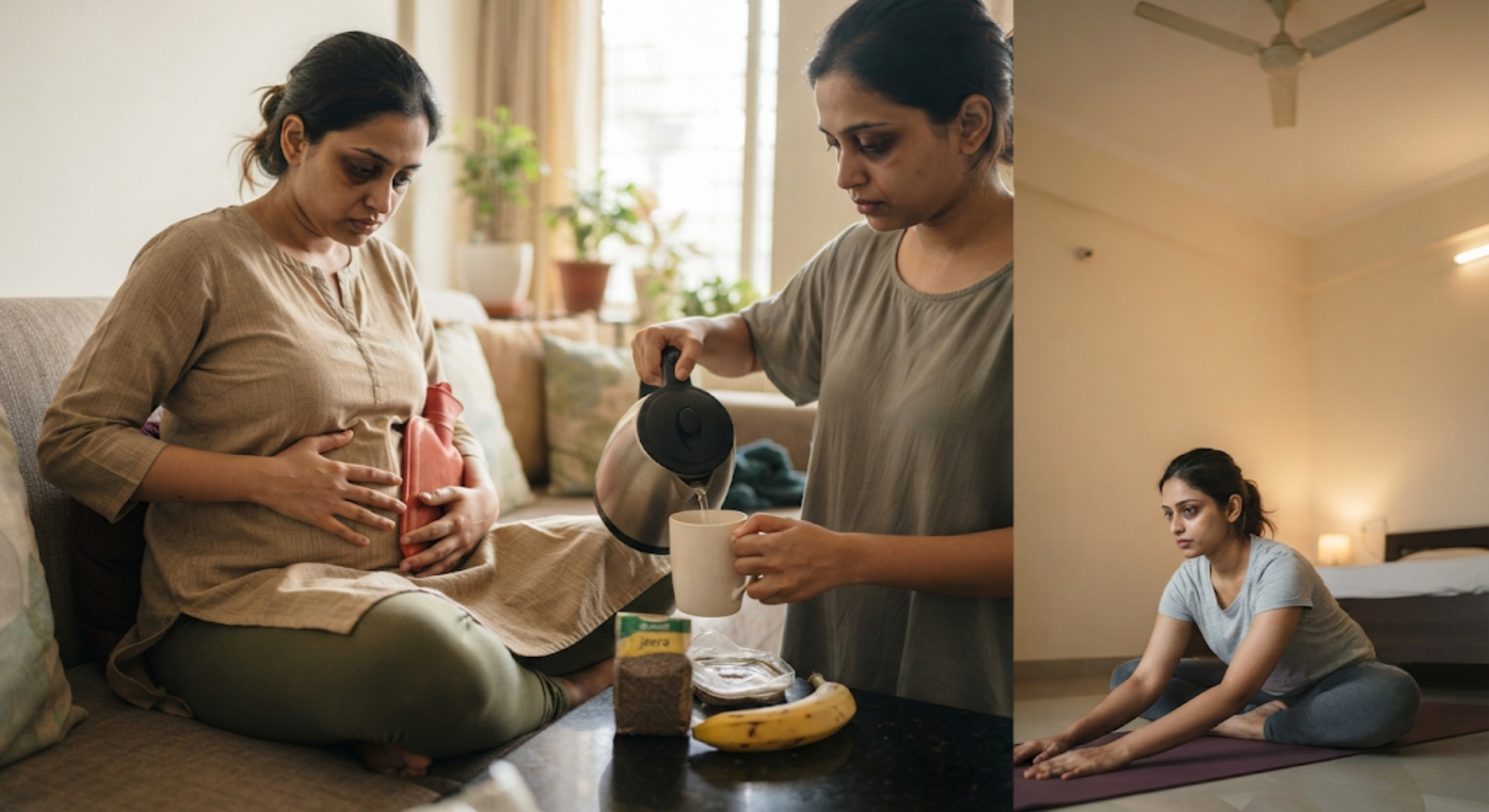
Bloating during ovulation is a common experience for many women and is usually a normal part of the menstrual cycle. While it can feel uncomfortable, understanding why it happens and how to manage it can help you feel more in control of your body.
If you are experiencing persistent or severe bloating, expert consultation is available with Dr. Anjali Jain, Senior Consultant – Gynae Oncology & Robotic Surgery, Gurugram.
Table of Contents
ToggleWhat is Ovulation?
Ovulation is the phase in your menstrual cycle when the ovary releases an egg. This typically occurs around the middle of the cycle (about day 14 in a 28-day cycle). Hormonal changes during this time can lead to various physical symptoms, including bloating.
What is Ovulation Bloating?
Understanding the Sensation
Ovulation bloating refers to a feeling of fullness, tightness, or swelling in the abdomen that occurs around the time of ovulation. It may be mild or noticeable and usually resolves within a few days.
Symptoms of Bloating During Ovulation
Common Signs to Watch For
- Abdominal fullness or swelling
- Mild pelvic discomfort or cramping (mittelschmerz)
- Feeling gassy or heavy
- Temporary weight fluctuation
- Increased sensitivity in the lower abdomen
When It Occurs
These symptoms typically appear a few days before or during ovulation and improve shortly afterward.
Causes of Bloating During Ovulation
Hormonal Changes
Fluctuations in estrogen and progesterone can cause the body to retain water, leading to bloating.
Release of the Egg
When the ovary releases an egg, a small amount of fluid or blood may be released, which can irritate the abdominal lining and cause temporary bloating.
Water Retention
Hormonal shifts can affect how your body handles fluids, leading to a feeling of puffiness.
Digestive Changes
Hormones can slow down digestion, leading to gas buildup and abdominal discomfort.
Remedies for Ovulation Bloating
Simple Ways to Relieve Discomfort
Stay Hydrated
Drinking plenty of water helps reduce water retention and supports digestion.
Eat Light and Balanced Meals
Avoid salty, processed, and gas-producing foods. Focus on fruits, vegetables, and whole grains.
Regular Exercise
Light physical activity like walking or yoga can improve circulation and reduce bloating.
Herbal Teas
Peppermint or ginger tea may help soothe the digestive system.
Reduce Salt Intake
Lowering sodium consumption can prevent excess water retention.
Over-the-Counter Relief
Mild medications or anti-gas remedies may help, but should be used cautiously.
When Should You Be Concerned?
Signs That Need Medical Attention
While ovulation bloating is usually harmless, consult a doctor if you experience:
- Severe or persistent abdominal pain
- Bloating that lasts beyond a few days
- Irregular or heavy bleeding
- Fever or unusual discharge
- Sudden changes in menstrual patterns
How is It Different from Other Conditions?
Ovulation vs. Other Causes of Bloating
Bloating can also be linked to conditions like:
- Premenstrual syndrome (PMS)
- Ovarian cysts
- Endometriosis
- Digestive disorders (IBS, constipation)
If symptoms are recurring or worsening, proper evaluation is important.
Tips to Prevent Ovulation Bloating
Lifestyle Changes That Help
- Maintain a healthy weight
- Follow a balanced diet
- Track your menstrual cycle
- Manage stress levels
- Stay physically active
These habits can help minimize symptoms over time.
Frequently Asked Questions (FAQs)
Is bloating during ovulation normal?
Yes, mild bloating is a normal part of ovulation due to hormonal changes.
How long does ovulation bloating last?
It usually lasts for a few hours to a couple of days.
Can ovulation bloating be painful?
It may cause mild discomfort or cramping, but severe pain should be evaluated.
Does bloating mean ovulation is happening?
It can be one of the signs, along with other symptoms like cervical mucus changes and mild pelvic pain.
How can I reduce ovulation bloating naturally?
Staying hydrated, eating a balanced diet, and exercising regularly can help reduce symptoms.
When Should You See a Specialist?
Get Expert Advice
If your bloating is severe, persistent, or affecting your daily life, it is important to consult a specialist. Early evaluation can help rule out underlying conditions and provide appropriate treatment.
Take Charge of Your Health
Listen to Your Body
Bloating during ovulation is common and usually manageable with simple lifestyle changes. However, understanding your body and recognizing unusual symptoms is key to maintaining reproductive health.
Book a Consultation
👉 Consult Dr. Anjali Jain
Senior Consultant – Gynae Oncology & Robotic Surgery
📍 Gurugram, India
Take a proactive step toward better health and well-being.