
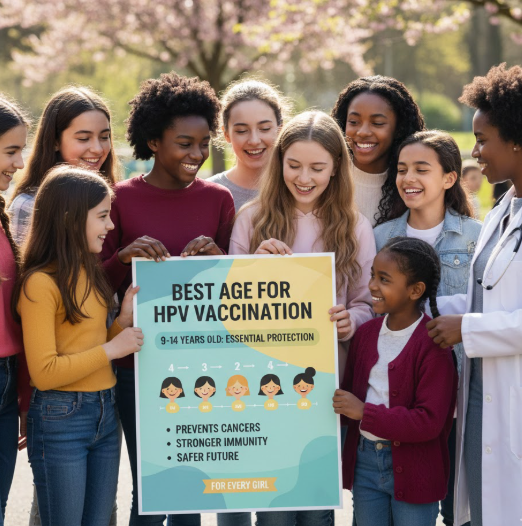
January is observed as Cervical Cancer Awareness Month, highlighting the importance of prevention, early detection, and education. One of the most effective ways to prevent cervical cancer and several other cancers is the Human Papillomavirus (HPV) vaccine.
In this blog, Dr. Anjali Jain, Consultant Gynaecologic Oncologist and Robotic Surgeon at Medanta Hospital, Gurugram, explains why HPV vaccination is crucial, the ideal age for vaccination, and how it helps protect against multiple cancers and HPV-related conditions.
What Is HPV?
Human Papillomavirus (HPV) is one of the most common viral infections worldwide. It spreads primarily through skin-to-skin sexual contact. While most HPV infections resolve on their own, persistent infection with high-risk HPV types can lead to cancer over time.
What Is the HPV Vaccine?
The HPV vaccine is designed to protect against high-risk HPV strains responsible for cancer, as well as low-risk strains that cause genital warts. It is safe, well-studied, and recommended globally as a preventive measure against HPV-related diseases.
The vaccine is most effective when given before exposure to HPV, which is why age plays a critical role.
Best Age for HPV Vaccination
Ages 9–14 Years (Ideal Age Group)
- Most effective time for vaccination
- Strong immune response
- Requires two doses
Ages 15–26 Years
- Highly beneficial if not previously vaccinated
- Requires three doses
Above 26 Years
- Can still be taken after consultation with a doctor
- May offer partial protection depending on prior HPV exposure
Early vaccination ensures maximum long-term protection.
Cancers Prevented by the HPV Vaccine
Although best known for preventing cervical cancer, the HPV vaccine provides protection against six different types of cancer, affecting both women and men:
- Cervical Cancer
- Vaginal Cancer
- Vulvar Cancer
- Anal Cancer
- Penile Cancer
- Oral Cavity and Throat Cancer
This is why HPV vaccination is recommended for both girls and boys.
Protection Against Non-Cancerous Conditions
In addition to cancer prevention, the HPV vaccine also protects against:
- Genital warts
- Recurrent HPV-related infections
- Emotional and physical distress caused by repeated treatments
Why HPV Vaccination Is Important in India
- Cervical cancer is one of the leading causes of cancer-related deaths among women in India
- Many cases are diagnosed at an advanced stage
- HPV vaccination, combined with regular screening, can prevent up to 90% of cervical cancer cases
Prevention remains the most effective approach.
Common Myths and Facts About HPV Vaccination
Myth: The HPV vaccine is unsafe
Fact: The vaccine is scientifically proven to be safe and effective worldwide
Myth: Only married or sexually active women need the vaccine
Fact: The vaccine works best before exposure to HPV
Myth: The HPV vaccine affects fertility
Fact: There is no evidence linking HPV vaccination to infertility
HPV Vaccination Does Not Replace Screening
Even after vaccination, women should continue with:
- Pap smear tests
- HPV screening
Vaccination and screening together offer the strongest protection against cervical cancer.
Expert Insight
“HPV vaccination is a vital preventive tool against cervical and other HPV-related cancers. Vaccinating children at the appropriate age can significantly reduce the burden of these cancers and save lives through prevention.”
— Dr. Anjali Jain