
Uterine Cancer :
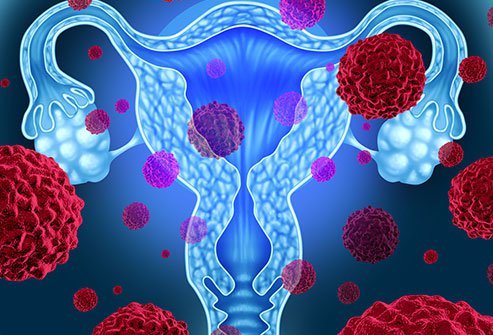
Uterine cancer is the most common cancer of the female reproductive system. Most cases begin in the lining of the uterus (endometrium) and are therefore also called endometrial cancer.
The uterus is a hollow, pear-shaped organ where a baby grows during pregnancy. It consists of:
Cervix: Lower part connecting the uterus to the vagina
Body (Corpus): Upper part containing the muscle wall and inner lining (endometrium)
During the menstrual cycle, the endometrium thickens and sheds if pregnancy does not occur. Abnormal changes in this lining can lead to uterine cancer, especially after menopause.
Uterine Cancer Risk Factors
Risk factors that increase the likelihood of uterine cancer include:
Obesity and high-fat diet
Age (more than 95% occur after age 40)
Estrogen therapy without progesterone
Use of tamoxifen
Diabetes
Polycystic ovary syndrome (PCOS)
Never having been pregnant
Early menstruation or late menopause
Personal or family history of uterine, ovarian, breast, or colon cancer (Lynch syndrome)
Pelvic radiation therapy
Having risk factors does not mean cancer will develop, but awareness and regular medical follow-up are important.
Symptoms of Uterine Cancer
Common symptoms include:
Vaginal bleeding or spotting after menopause
Heavy or irregular menstrual bleeding
Abnormal vaginal discharge
Pelvic pain or pressure
Unexplained weight loss
Any abnormal bleeding should be evaluated promptly by a gynecologic oncologist.
Diagnosis of Uterine Cancer
Early diagnosis improves treatment outcomes. Evaluation may include:
Detailed medical history and pelvic examination
Endometrial biopsy (primary diagnostic test)
Dilation and Curettage (D&C) if biopsy is inconclusive
Hysteroscopy for direct visualization and tissue sampling
Additional Tests
Imaging: Ultrasound, CT scan, MRI, PET scan, Chest X-ray
Blood tests: CBC, CA-125 (in selected cases)
Genetic Testing
Genetic counseling and testing may be recommended if:
Cancer is diagnosed before age 50
There is a history of colon, rectal, or endometrial cancer
A family member has Lynch syndrome gene mutations (MLH1, MSH2, MSH6, PMS2)
Uterine Cancer Treatment
Treatment is personalized by a multidisciplinary gynecologic oncology team based on cancer type, stage, and overall health. Surgery is often the main treatment.
Surgical Treatment
Common procedures include:
Total hysterectomy (removal of uterus)
Bilateral salpingo-oophorectomy (removal of ovaries and fallopian tubes)
Lymph node removal
Omental biopsy
Advanced or selected cases may require radical hysterectomy or tumor debulking.
Surgery may be:
Minimally invasive (laparoscopic or robotic)
Open surgery, depending on disease spread
Additional Treatments
Radiation Therapy:
Includes brachytherapy, 3D-CRT, and IMRT for precise targetingChemotherapy:
Used in advanced or high-risk diseaseHormone Therapy:
For hormone-sensitive cancers (progestins, tamoxifen, aromatase inhibitors